Watching a meteor shower should be listed as one of the unofficial requirements of childhood! It has a beautiful way of inspiring wonder and awe as children see what shooting stars look like in real life. This guide will offer tips for watching a meteor shower with kids, including ideal times, locations, and ways to keep them engaged.

Jump to:
- best meteor showers to watch
- best time to watch
- best locations for watching
- what to bring
- learn more about meteor showers
Watching a Meteor Shower with Kids
Best Meteor Showers to Watch with Kids
When it comes to watching meteor showers with kids, timing and visibility are key. Some meteor showers are more child-friendly than others, based on their frequency, visibility, and the time they peak. Mark your calendars for these three meteor showers and get ready for the show!
1. Perseids (August): The Perseid meteor shower is one of the most popular and reliable meteor showers, with up to 60-100 meteors per hour at its peak. It occurs during the summer, which is ideal since the warmer nights make it easier for kids to stay outside longer.
In 2025, the Perseids will peak on the night of August 12 / the morning of August 13, but visibility will be affected by the waning gibbous moon.
2. Geminids (December): While it’s in winter, the Geminid meteor shower offers bright and consistent meteors, often visible in the early evening. This can be a good option for kids who might not stay up too late.
In 2025, the Gemenids are predicted to peak on December 13-14.
3. Quadrantids (January): Though not as well-known, the Quadrantids can produce a high number of meteors in a short time, making it exciting for children who might have a shorter attention span.
In 2026, the Quadrantids are predicted to peak during the pre-dawn hours of January 4.
Be sure to check local conditions when planning to watch meteor showers with kids, and choose nights when the sky is clear and the moonlight is low. Clear, dark skies are best!

When is the Best Time for Watching a Meteor Shower with kids?
When considering the “when” component of watching a meteor shower with kids, there are a few factors to keep in mind:
- the weather: ideally, you want clear skies
- peak date: ideally, you want to watch at the peak (greatest frequency)
- the radiant (seeming point of origin): ideally, you want it high in the sky
- moon phases: ideally, you want little to no moonlight
Make your own algorithm of sorts that considers these four factors as well as your family’s schedule, then pick the best time to let the kids stay up late!
Meteor showers generally last for several weeks, but the number of visible meteors decreases dramatically (as much as 50% each day) on either side of the peak. But if the peak date is cloudy or inconvenient, you can always try before or after and you might still catch a few shooting stars.
Most news articles on upcoming meteor showers will give you the information that you need regarding the peak time and the radiant. Check with online calendars such as Time and Date for local information on moonset and sunrise.

Best Locations for Watching a Meteor Shower with Kids
Choosing the right location is just as important as picking the right time. Here’s how to find the perfect spot:
dark sky sites:
Look for areas that are designated as Dark Sky Parks or Reserves, which are places with minimal light pollution and are often managed by organizations focused on preserving night skies. These sites are ideal for stargazing and meteor watching because they offer some of the darkest skies available.
local parks and open spaces:
If you can’t make it to a dark sky site, local parks, beaches, or open fields can be good alternatives. These locations are usually more accessible and still offer a decent view of the night sky. Make sure the area is safe, familiar, and free from obstacles like tall trees or buildings that could block your view.
If you choose the beach, don’t forget to factor in the tide! And be aware that many parks (and playgrounds) have lights that stay on all night long, making them less than ideal for stargazing.
national and state parks:
Many national and state parks are far from urban light pollution, making them excellent spots for meteor shower viewing. Some parks even host stargazing events where you can join other families for a guided meteor-watching experience. Just be sure to check the park’s policies on after-hours access and plan accordingly.
This post from Outside lists seven of the best national parks for watching the Perseids, including specific locations within the parks and details on ranger-led events.
backyards and nearby countryside:
If you live in a rural area or have a large backyard, sometimes the best spot for watching a meteor shower with kids is right at home. Set up a comfortable viewing area with blankets or reclining chairs and enjoy the meteor shower without the need to travel. This option is especially convenient for younger kids who might need to head back inside quickly if they get tired or cold.
Be sure to turn off any interior and exterior lights to make your surroundings as dark as possible. If your neighbors have outdoor lighting, ask them ahead of time if they’d mind turning them off for a few hours. Or, better yet — invite them to join you! (We did this with our neighbor and she was thrilled to be included.)
We sometimes drive to a spot near a local farm, giving us open spaces, no light pollution and a short drive from home.
mountain or hilltop locations:
Higher elevations often provide clearer, less obstructed views of the sky. If there’s a safe, accessible hill or mountain near you, it can be a great place to watch a meteor shower. Just ensure that the location is safe for kids, is away from any sources of light, and that you have all the necessary gear to stay warm and comfortable.

Watching a Meteor Shower: What to Bring
Heading out to watch a meteor shower with kids requires some careful planning to ensure everyone is comfortable and enjoys the experience. Here’s a list of essentials to pack:
comfortable seating:
Bring reclining chairs, sleeping pads or camp cots (even a pillow or two) that allow everyone to lie back and view the sky comfortably. Comfort is key to staying out for longer than a few minutes!
Blankets will likely be enough to keep you warm in the summer (if needed at all), and sleeping bags are a fun way to stay warm in the winter (adding an element of adventure).
warm drinks:
A thermos of hot chocolate or warm cider can help keep everyone cozy and adds a special treat to the experience.
flashlights with red filters or night mode:
It’s best to avoid using mobile phones and flashlights whenever possible. But if you need a source of light to make your way around, consider flashlights or headlamps with red filters. (Red light is less disruptive to night vision than white light.)
If you child has a headlamp like this one, you may find that it already has a red filter / night mode.
star maps or apps:
Finding the right place to look in the night sky can be difficult, especially when trying to locate the meteor shower’s radiant (you’re often told to look for a specific star or constellation). You may find it helpful to use a star map/app to orient yourself in the night sky. (See list of free star apps here.) Use it as quickly as possible and put your phone away for the rest of the experience, especially as your eyes will need to re-adjust to the darkness after each screen use.
entertainment for down time:
Kids might get restless waiting for the meteors to appear. Come prepared with stories, jokes, riddles or games that you can do while staring up at the sky. Or use that time to talk about your day and your hopes for the future. Or simply enjoy the silence together. It’s a special experience!
Learn more about Meteor Showers
Before watching a meteor shower with kids, take a few minutes to learn more about these shooting stars. Not stars at all, those streaks across the sky are caused when the Earth passes through the debris field of a comet or asteroid. When the tiny particles of debris (some as small as a grain of sand!) enter the Earth’s atmosphere, they burn up and create the streaks of light that we call meteors.
Let’s learn more about meteor showers!
* This site is reader-supported. When you buy through our links, we may earn an affiliate commission.
NON-FICTION


Ultimate Explorer Field Guide: Night Sky, Howard Schneider, ages 6-9. This pocket guide teaches kids how where an when to spot the wonders of the night sky, from meteor showers to constellations to satellites.
National Geographic Kids: Meteors, Melissa Stewart, ages 6-10. Learn all about meteors (and meteor showers) in this level 3 reader with helpful photos.
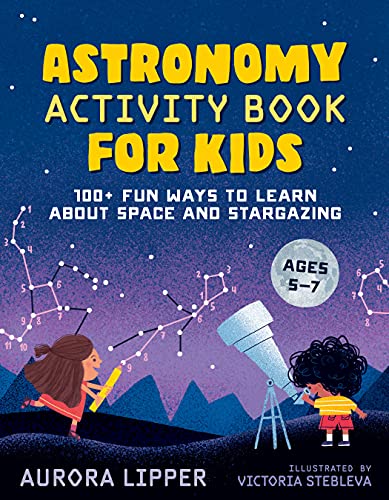
Astronomy Activity Book for Kids: 100+ Fun Ways to Learn About Space and Stargazing, Aurora Lipper, ages 5-9. This interactive activity book introduces kids to many aspects of astronomy through games, facts and stargazing projects.
FICTION


Rocket Says Look Up, Nathan Bryon, ages 3-7. The story of an young aspiring astronaut who wants her neighbors and friends to remember to look up and see the wonders of the night sky (and in this case, a comet).
Pieces of Another World, Mara Rockliff, ages 5-8. Told through the eyes of a child, this is the story of their nighttime adventure to see a meteor shower. The story is followed by trivia and information to help us learn even more about meteors, comets and asteroids.
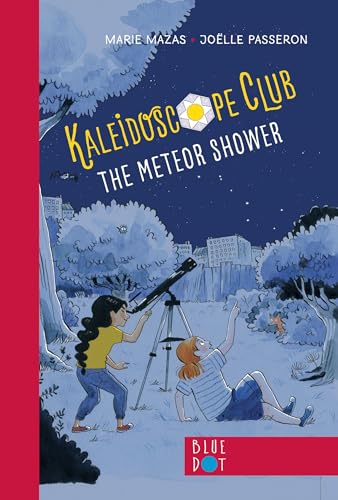
The Meteor Shower [Kaleidoscope Club Series], Marie Mazas, ages 7-10. Two friends are excited to explore the wonders of the night sky and encourage their community to join them by reducing light pollution. They meet challenges along the way and learn a lot about friendship, courage and community action.
Watching a meteor shower with kids is a rewarding experience that combines the beauty of nature with the wonder of the cosmos. With the right preparation and mindset, it can become a cherished family tradition. By choosing the right meteor shower and the right location, packing the essentials, and engaging your children, you can create an unforgettable night under the stars. So next time a meteor shower is on the horizon, gather your gear, bundle up the kids, and head outside for a celestial show that’s sure to leave a lasting impression.

